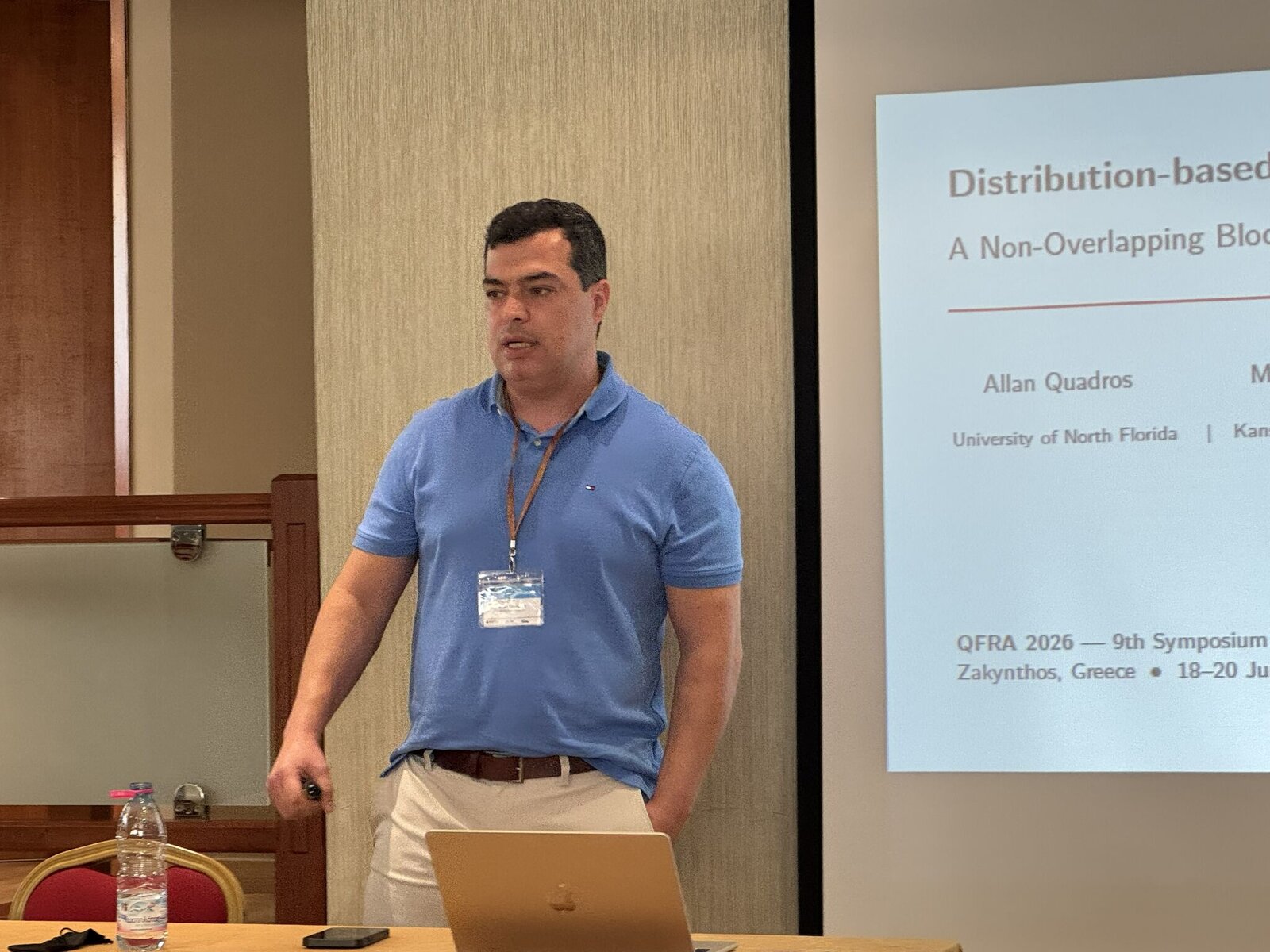
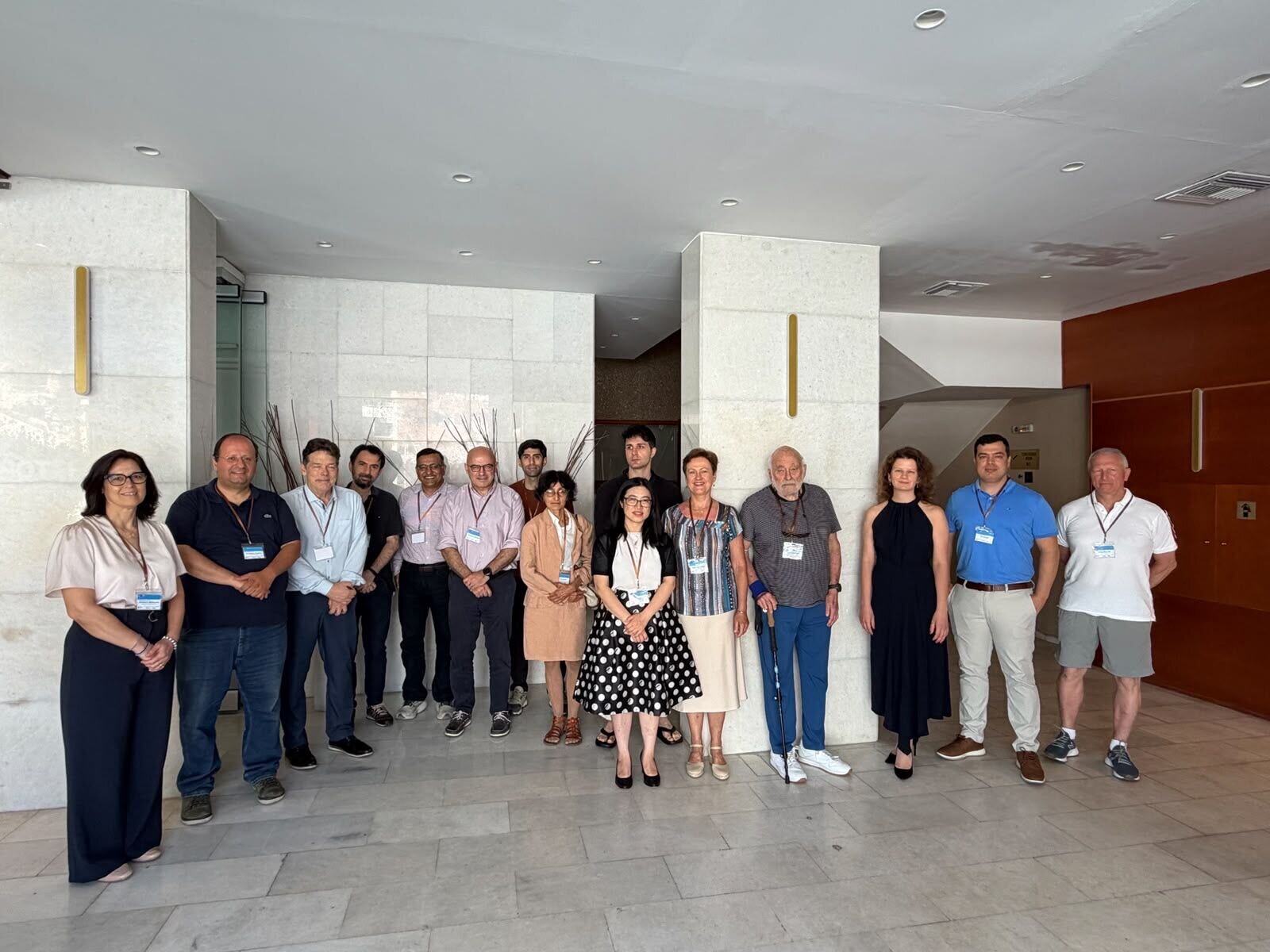
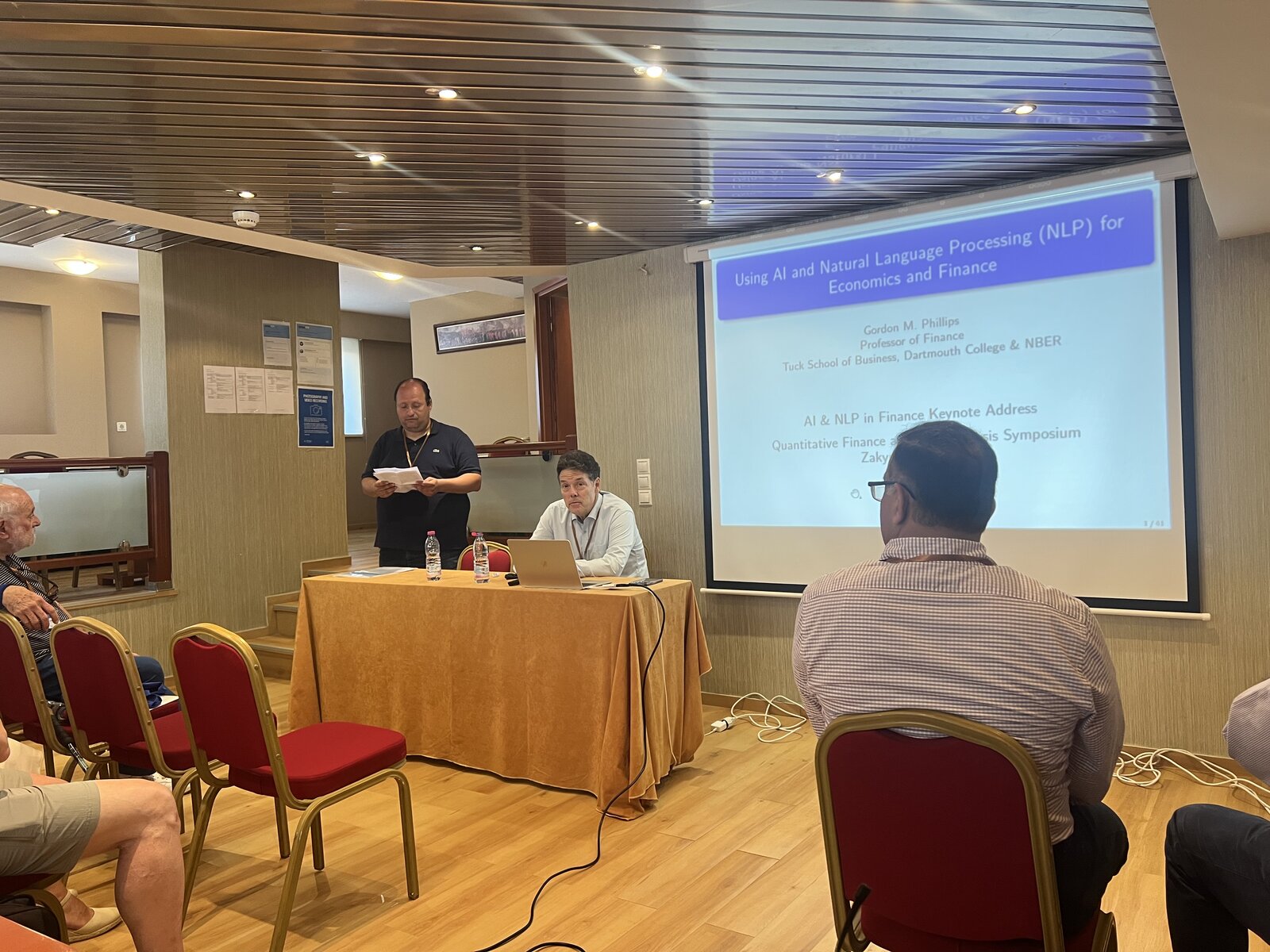
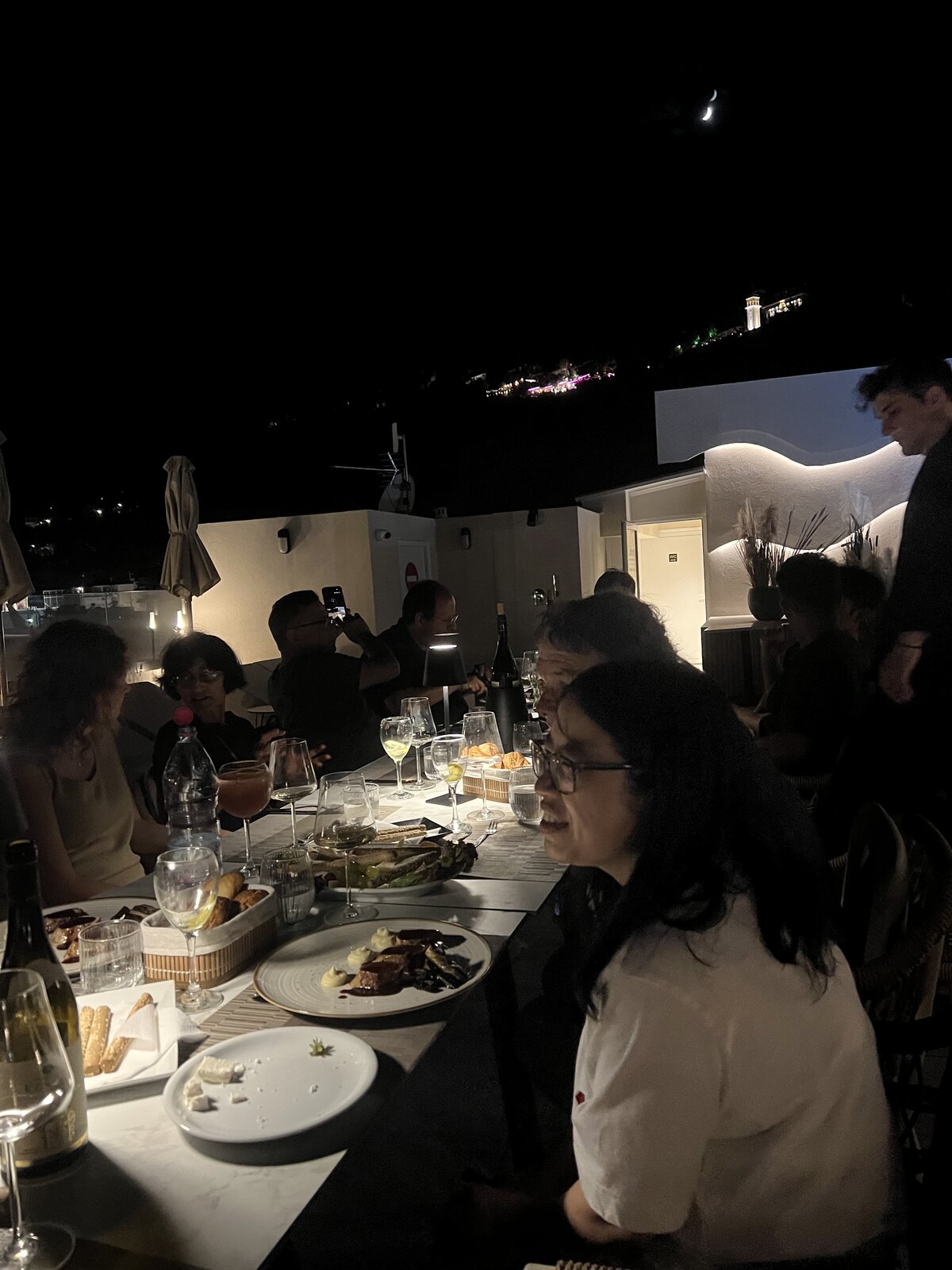
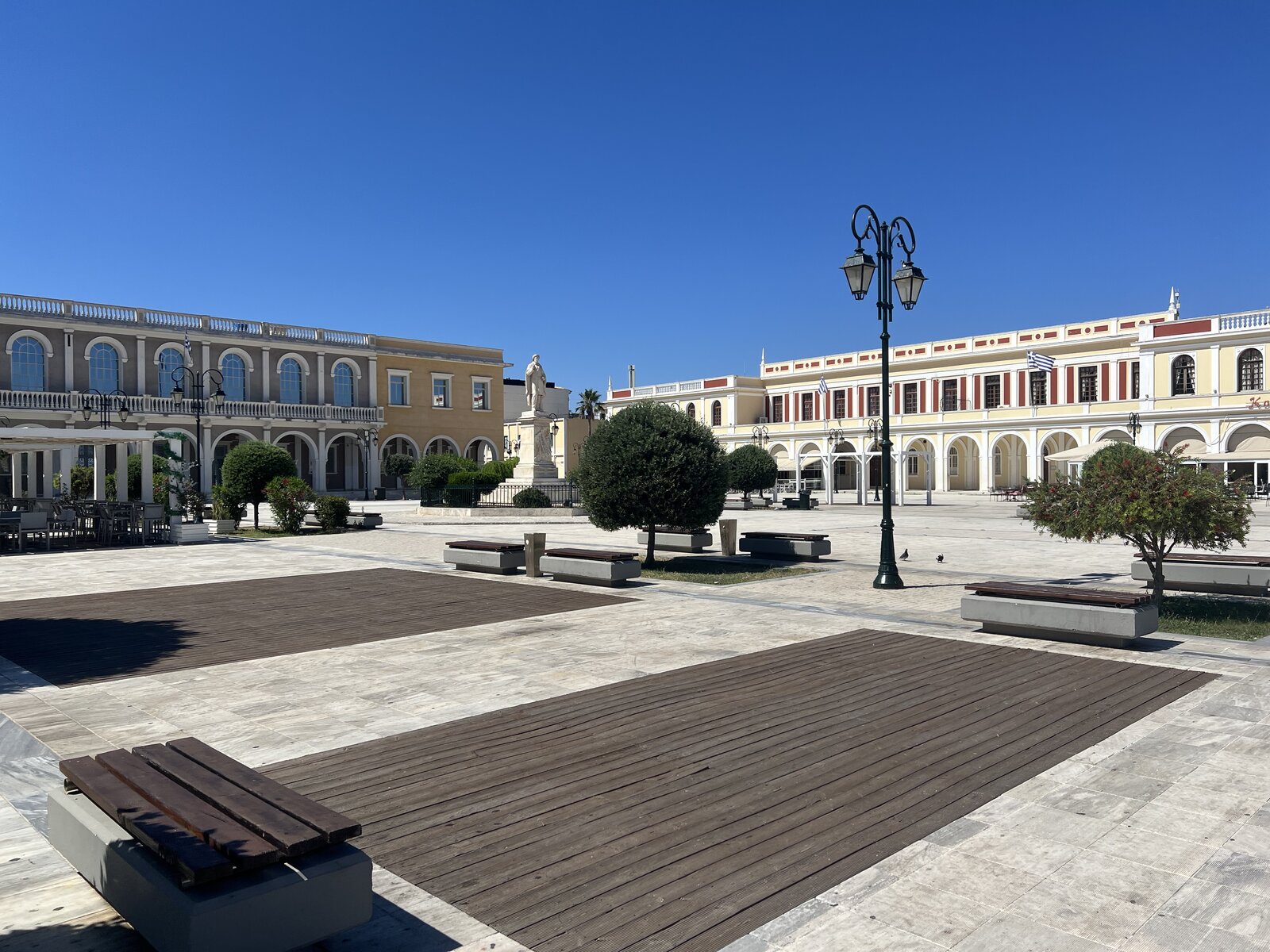
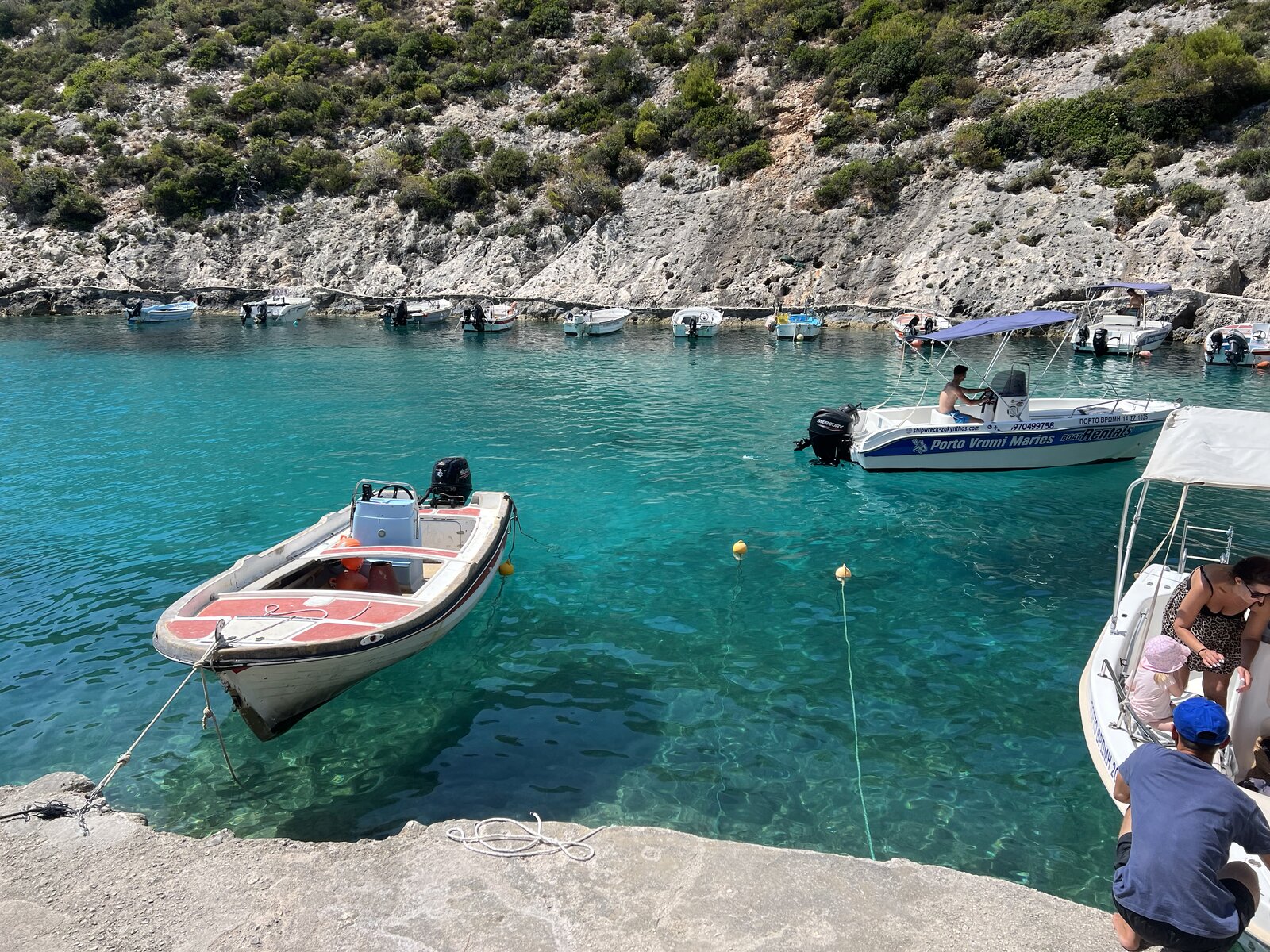
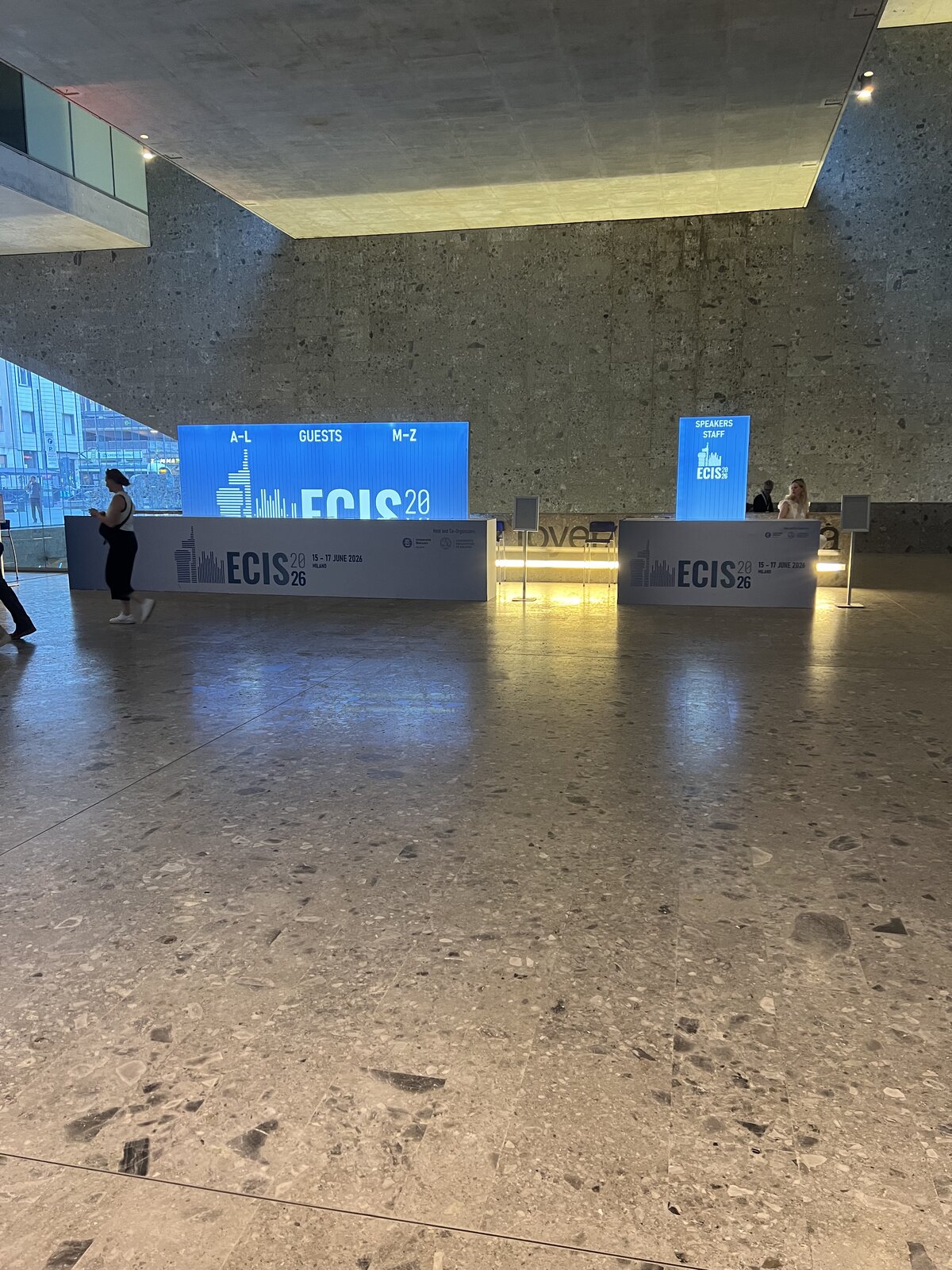
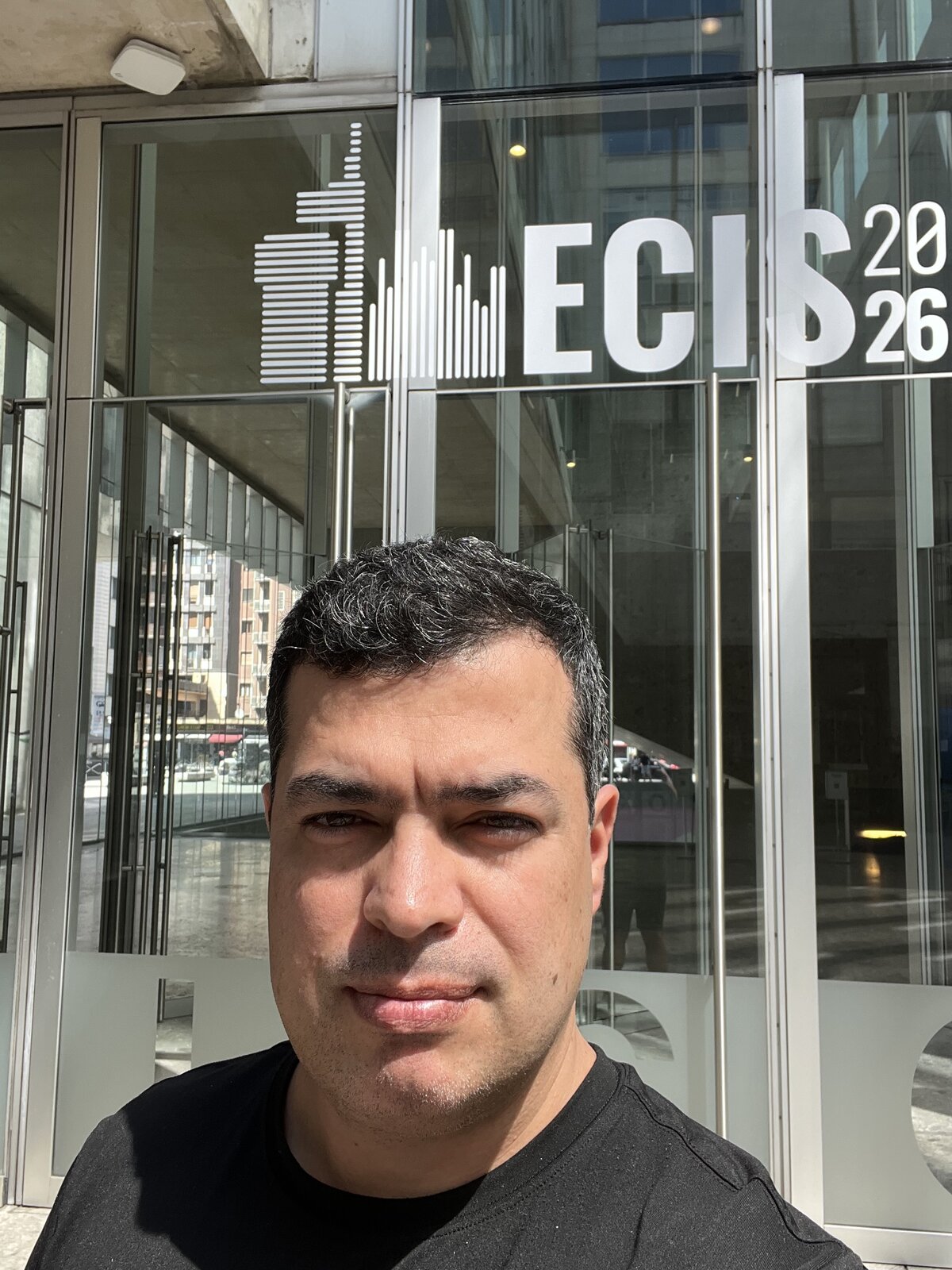
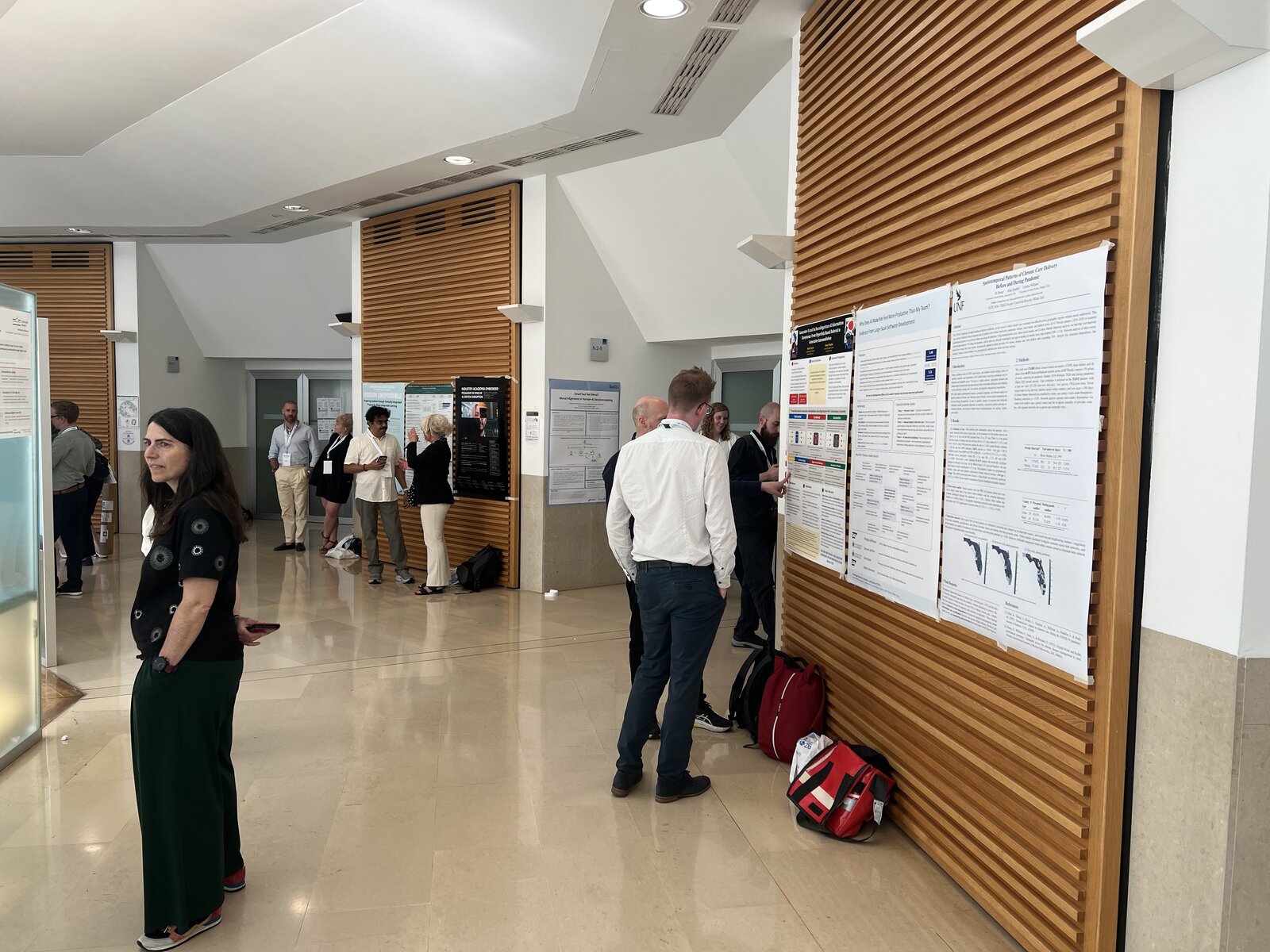
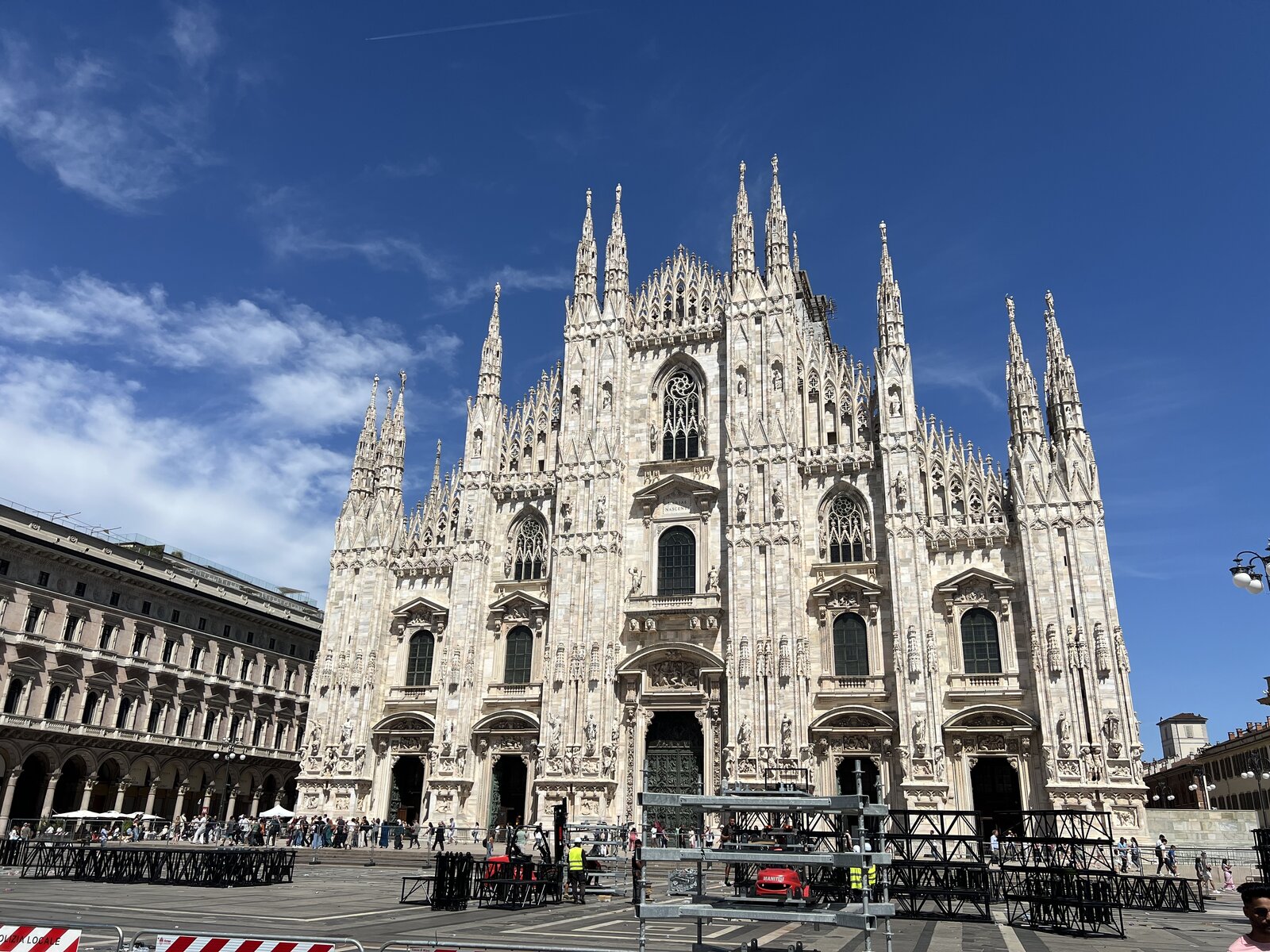
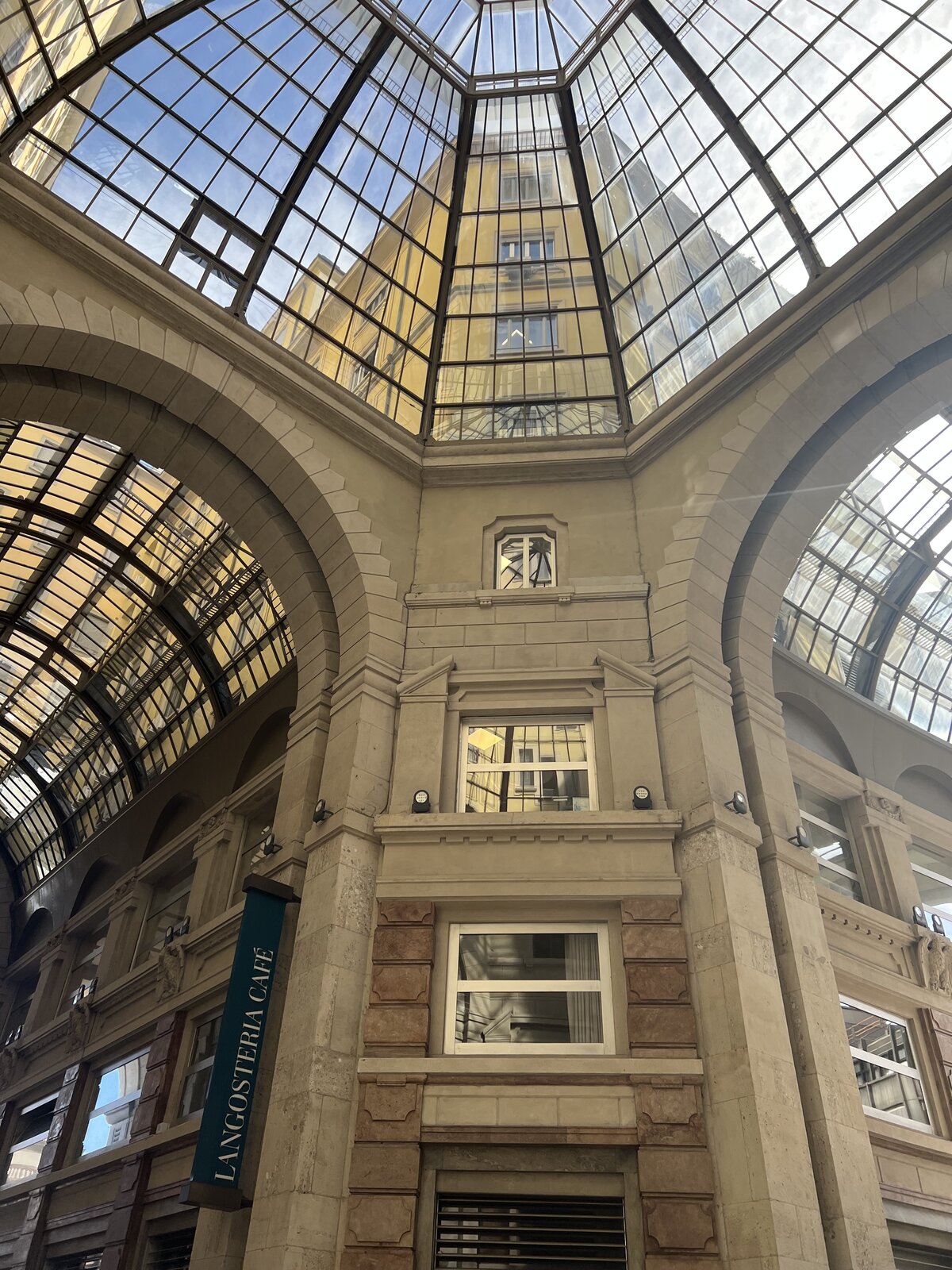
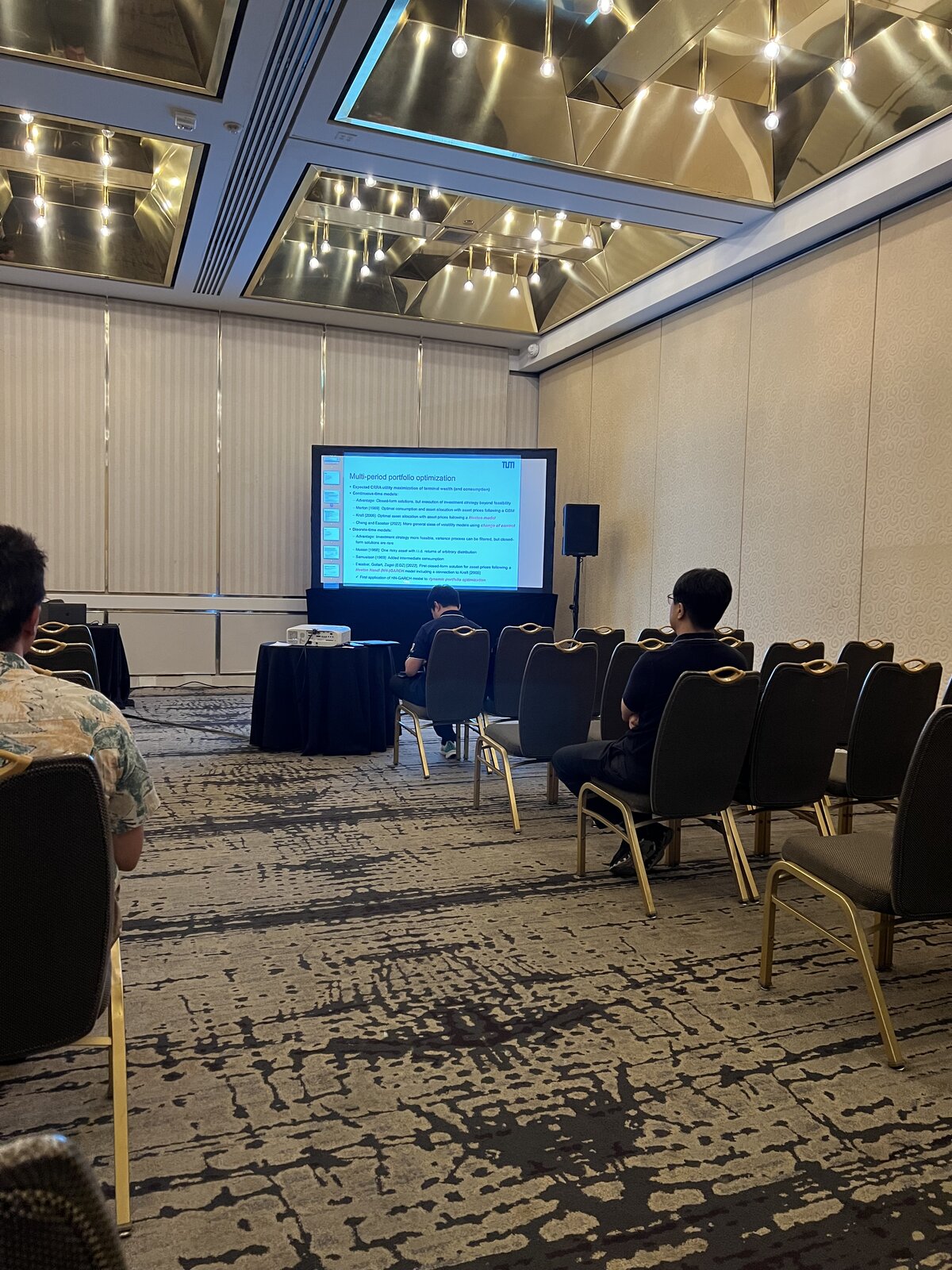
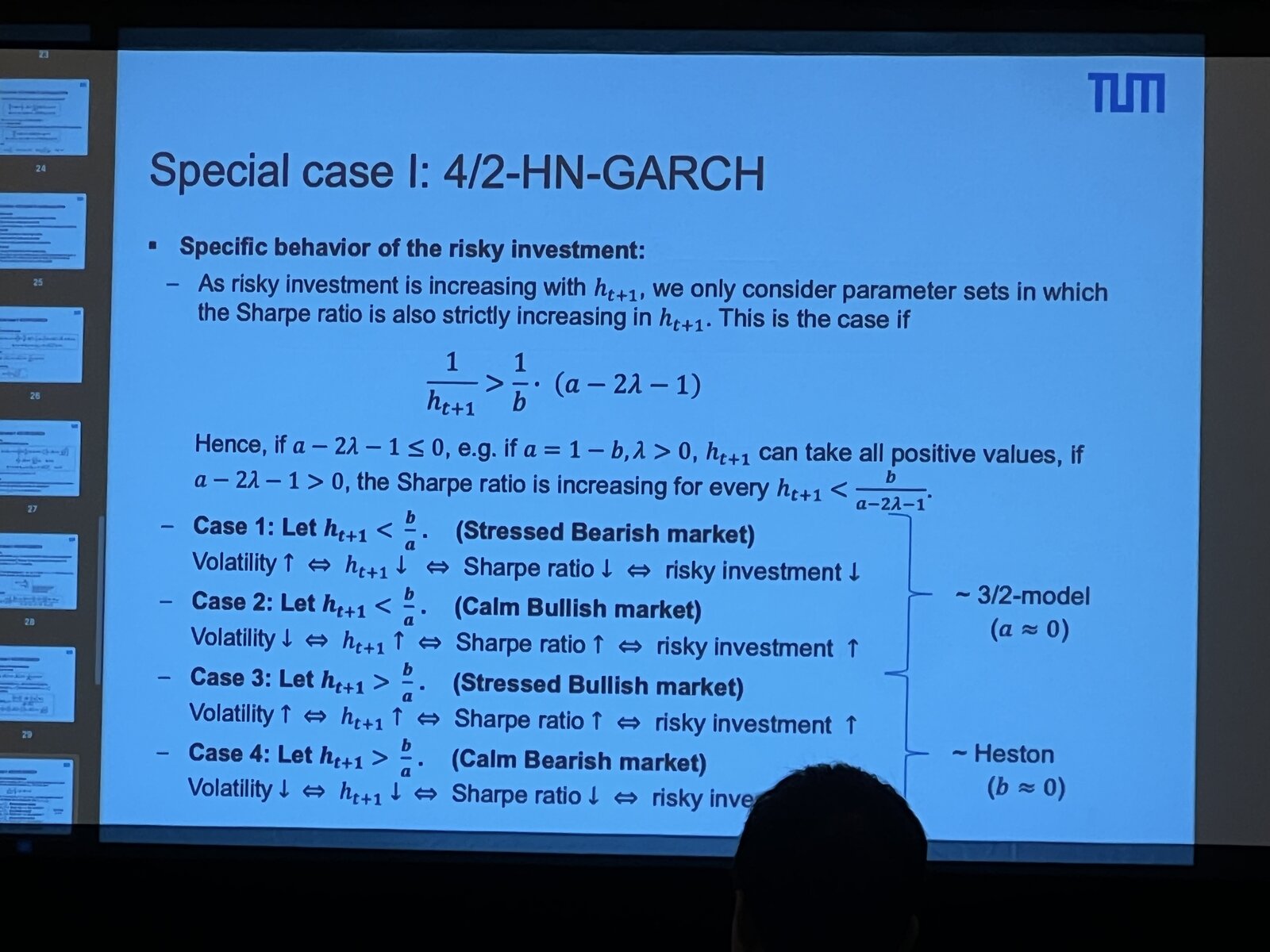
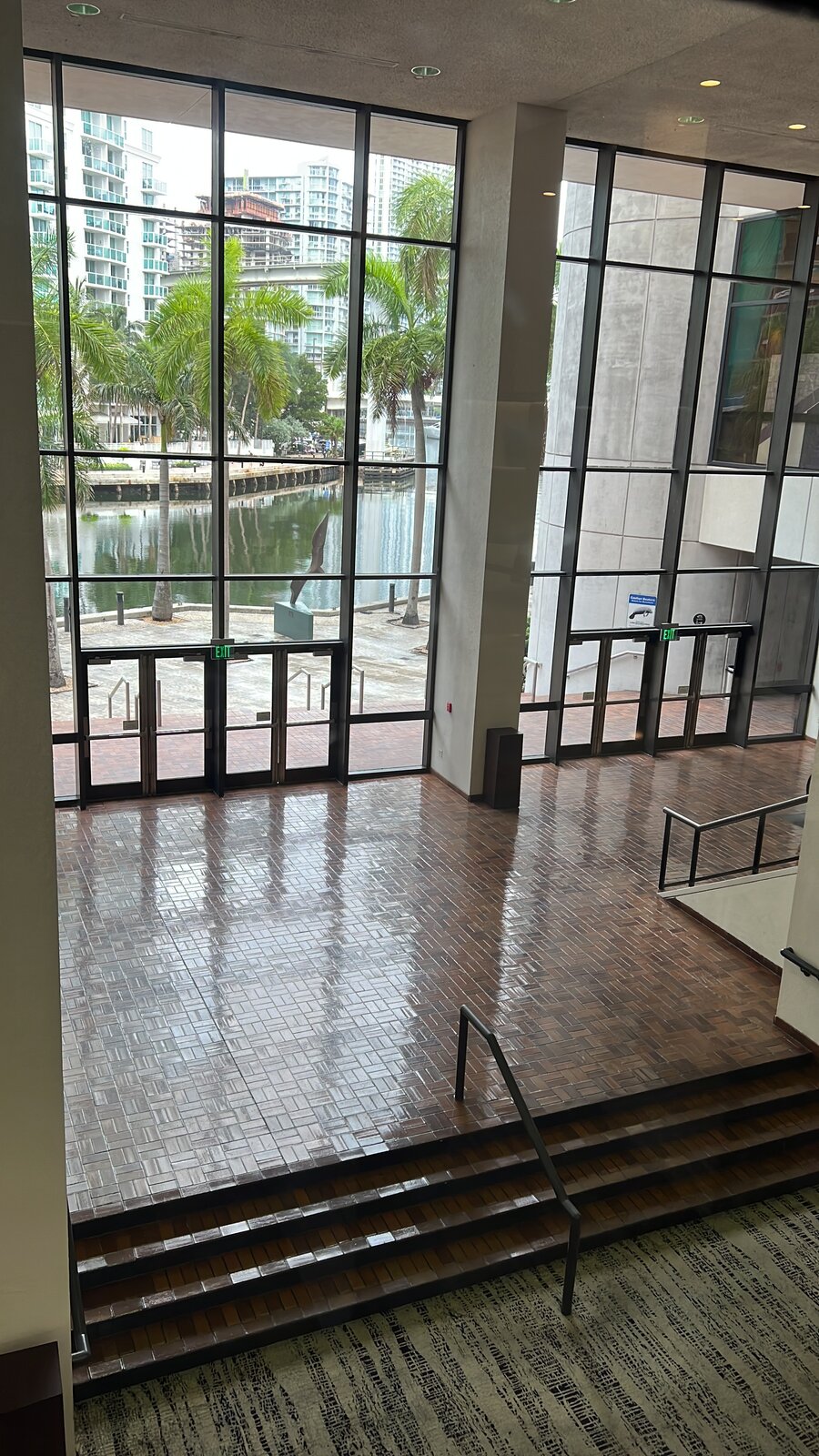
<?xml version="1.0" encoding="utf-8"?> <feed xmlns="http://www.w3.org/2005/Atom" xml:lang="en"> <generator uri="https://jekyllrb.com/" version="4.4.1">Jekyll</generator> <link href="https://allanvc.github.io/feed.xml" rel="self" type="application/atom+xml"/> <link href="https://allanvc.github.io/" rel="alternate" type="text/html" hreflang="en"/> <updated>2026-09-03T05:24:36+00:00</updated> <id>https://allanvc.github.io/feed.xml</id> <title type="html">Allan Quadros</title> <subtitle>My personal website </subtitle> <entry> <title type="html">‘mRpostman’ 1.4.0 is on CRAN</title> <link href="https://allanvc.github.io/blog/2026/mrpostman-1-4-0/" rel="alternate" type="text/html" title="‘mRpostman’ 1.4.0 is on CRAN"/> <published>2026-07-28T00:00:00+00:00</published> <updated>2026-07-28T00:00:00+00:00</updated> <id>https://allanvc.github.io/blog/2026/mrpostman-1-4-0</id> <content type="html" xml:base="https://allanvc.github.io/blog/2026/mrpostman-1-4-0/"><![CDATA[<h2 id="mrpostman-140-is-on-cran">mRpostman 1.4.0 is on CRAN</h2> <p>A new version of my R package <strong>mRpostman</strong> landed on CRAN. It is the most important update to the package since I rebuilt it around an R6 object-oriented structure back in September 2020. This version incorporates several intermediate updates that were only available on GitHub in the previous weeks.</p> <h3 id="some-context">Some context</h3> <p>I released mRpostman in 2019, and of all the packages I have published, it was the one that caught the most attention from the R community (it even got a retweet from Hadley Wickham at the time). The reason is simple: e-mail is a rich source of data that usually sits out of reach, behind IMAP servers. mRpostman turns MIME content into plain text you can actually analyze.</p> <h3 id="what-is-new">What is new</h3> <p>The package now implements the full functionality of the IMAP4rev1 protocol from within R, including commands that were missing until recently, such as <code class="language-plaintext highlighter-rouge">APPEND</code>, <code class="language-plaintext highlighter-rouge">STATUS</code> and <code class="language-plaintext highlighter-rouge">CLOSE</code>, plus a set of capability-checked extensions such as <code class="language-plaintext highlighter-rouge">SORT</code>, <code class="language-plaintext highlighter-rouge">THREAD</code>, <code class="language-plaintext highlighter-rouge">MOVE</code> and <code class="language-plaintext highlighter-rouge">QUOTA</code>.</p> <p>Decoding grew up with it: message headers and bodies now honor the character set declared in the message, so mail in Russian, Greek, Japanese, Chinese or any other charset that <code class="language-plaintext highlighter-rouge">iconv</code> supports comes out as readable text instead of gibberish. Searching accepts non-ASCII terms as well, sent to the server as UTF-8.</p> <h3 id="reproducibility">Reproducibility</h3> <p>Reproducibility was another thing that bothered me all these years: you needed a real mail account to try any of it, and no two mailboxes are alike. This release fixes that. The package now ships a small disposable IMAP server (Dovecot, via Docker) plus a synthetic corpus generator with known properties: dates, sizes, encodings, attachments, reply chains. <code class="language-plaintext highlighter-rouge">populate_sandbox()</code> loads it all through the package’s own <code class="language-plaintext highlighter-rouge">APPEND</code> implementation, so you can test and learn every feature locally, against exact ground truth. There is a new vignette to help users with that.</p> <p>And since the sandbox can hold real data too, 1.4.0 adds <code class="language-plaintext highlighter-rouge">enron_sandbox()</code>, which downloads the public Enron corpus from 2001, filters by custodian and date, and ingests it into the local Dovecot server. From there, you can score sentiment over time, map who was writing to whom, or run whatever text mining you have in mind. Underneath it sits <code class="language-plaintext highlighter-rouge">ingest_maildir()</code>, a general function that uploads any maildir archive to any IMAP folder.</p> <div class="language-r highlighter-rouge"><div class="highlight"><pre class="highlight"><code><span class="n">install.packages</span><span class="p">(</span><span class="s2">"mRpostman"</span><span class="p">)</span><span class="w">
</span></code></pre></div></div> <ul> <li>Official website: <a href="https://allanvc.github.io/mRpostman" target="_blank">https://allanvc.github.io/mRpostman</a></li> <li>Sandbox vignette: <a href="https://allanvc.github.io/mRpostman/articles/sandbox.html" target="_blank">https://allanvc.github.io/mRpostman/articles/sandbox.html</a></li> <li>CRAN version: <a href="https://cran.r-project.org/package=mRpostman" target="_blank">https://cran.r-project.org/package=mRpostman</a></li> <li>Dev version: <a href="https://github.com/allanvc/mRpostman" target="_blank">https://github.com/allanvc/mRpostman</a></li> </ul>]]></content> <author> <name>Allan Quadros</name> </author> <category term="R"/> <category term="mRpostman"/> <category term="IMAP"/> <category term="e-mail"/> <category term="text mining"/> <summary type="html"><![CDATA[mRpostman 1.4.0 is on CRAN]]></summary> </entry> <entry> <title type="html">‘treeSS’ - Tree-spatial scan statistics in R</title> <link href="https://allanvc.github.io/blog/2026/new-package-treess/" rel="alternate" type="text/html" title="‘treeSS’ - Tree-spatial scan statistics in R"/> <published>2026-07-15T00:00:00+00:00</published> <updated>2026-07-15T00:00:00+00:00</updated> <id>https://allanvc.github.io/blog/2026/new-package-treess</id> <content type="html" xml:base="https://allanvc.github.io/blog/2026/new-package-treess/"><![CDATA[<h2 id="treess---tree-spatial-scan-statistics-in-r">treeSS - Tree-spatial scan statistics in R</h2> <p>I am happy to share <strong>treeSS</strong>, a new R package now available on CRAN.</p> <p>It helps you detect a special kind of cluster in your data: spatial clusters, meaning groups of nearby areas where something happens more often than expected. But it does one extra thing. It looks at <em>where</em> something happens (space) and <em>what kind</em> of thing happens (a category in a tree/hierarchy) at the same time. This is an advance over spatial-only or tree-only algorithms, and it does so without inflating the family-wise error rate.</p> <p>For example, you can use it to find which specific cause of death, type of crime, accident, or condition is unusually common in a group of nearby areas.</p> <p>The method, called the tree-spatial scan statistic, comes from our paper:</p> <blockquote> <p>Cançado, A. L. F., Oliveira, G. S., Quadros, A. V. C., &amp; Duczmal, L. H. (2025). A tree-spatial scan statistic. <em>Environmental and Ecological Statistics</em>, 32(3), 953-978. <a href="https://doi.org/10.1007/s10651-025-00670-w" target="_blank">https://doi.org/10.1007/s10651-025-00670-w</a></p> </blockquote> <p>Try it in R:</p> <div class="language-r highlighter-rouge"><div class="highlight"><pre class="highlight"><code><span class="n">install.packages</span><span class="p">(</span><span class="s2">"treeSS"</span><span class="p">)</span><span class="w">
</span></code></pre></div></div> <p>A Python version is coming soon to PyPI.</p> <ul> <li>CRAN version: <a href="https://cran.r-project.org/package=treeSS" target="_blank">https://cran.r-project.org/package=treeSS</a></li> <li>Dev version: <a href="https://github.com/allanvc/treeSS" target="_blank">https://github.com/allanvc/treeSS</a></li> <li>Article: <a href="https://doi.org/10.1007/s10651-025-00670-w" target="_blank">https://doi.org/10.1007/s10651-025-00670-w</a></li> </ul>]]></content> <author> <name>Allan Quadros</name> </author> <category term="R"/> <category term="treeSS"/> <category term="spatial statistics"/> <category term="scan statistics"/> <category term="cluster detection"/> <summary type="html"><![CDATA[treeSS - Tree-spatial scan statistics in R]]></summary> </entry> <entry> <title type="html">QFRA 2026 in Zakynthos - Distribution-Based Algorithms for Pairs Trading</title> <link href="https://allanvc.github.io/blog/2026/qfra-2026-zakynthos/" rel="alternate" type="text/html" title="QFRA 2026 in Zakynthos - Distribution-Based Algorithms for Pairs Trading"/> <published>2026-06-23T00:00:00+00:00</published> <updated>2026-06-23T00:00:00+00:00</updated> <id>https://allanvc.github.io/blog/2026/qfra-2026-zakynthos</id> <content type="html" xml:base="https://allanvc.github.io/blog/2026/qfra-2026-zakynthos/"><![CDATA[<h2 id="qfra-2026---zakynthos-greece">QFRA 2026 - Zakynthos, Greece</h2> <p>Between June 18 and 20, 2026, I attended the <strong>9th Symposium on Quantitative Finance and Risk Analysis (QFRA 2026)</strong>, held at Hotel Palatino, in Zakynthos Town, on the Ionian island of Zakynthos, Greece. The symposium is organized by Monash Business School with the support of RiskLab at Data61/CSIRO, and brings together researchers and practitioners from finance, econometrics, actuarial science and statistics. It was the second leg of the trip that started in Milan with <a href="https://allanvc.github.io/blog/2026/ecis-2026-milan/">ECIS 2026</a>.</p> <p>On Thursday, June 18, in Session 2 (“AI, Trading and Asset Pricing”), I presented our paper</p> <blockquote> <p><strong>Distribution-based algorithms for pairs trading: a non-overlapping block bootstrap approach</strong> Allan Quadros (University of North Florida), Michael Higgins (Kansas State University) and Brian Silverstein (University of South Carolina)</p> </blockquote> <div style="display:flex; flex-wrap:wrap; gap:12px; justify-content:center;"> <img alt="Presenting at QFRA 2026" style="max-width:100%; width:48%; min-width:280px;" src="https://allanvc.github.io/assets/img/posts/2026-06-23-qfra-2026-zakynthos/qfra-talk.jpg"/> <img alt="QFRA 2026 participants" style="max-width:100%; width:48%; min-width:280px;" src="https://allanvc.github.io/assets/img/posts/2026-06-23-qfra-2026-zakynthos/qfra-group.jpg"/> </div> <center><em>Left: presenting our paper in Session 2. Right: the traditional QFRA family photo with the symposium participants.</em></center> <h3 id="the-paper">The paper</h3> <p>This work extends the distribution-based framework for pairs trading that we introduced in our <a href="https://allanvc.github.io/blog/2026/bayesian-pairs-trading-quantitative-finance/"><em>Quantitative Finance</em> paper</a>. Instead of a Bayesian hierarchical model, here we obtain the distribution of the hedge ratio through a non-overlapping block bootstrap (in the spirit of Lahiri, 2003), which preserves the serial dependence of the price series while making very few parametric assumptions. The quantiles of the bootstrap distribution are then used as confirmation thresholds for the trading signals generated within the standard cointegration framework, and we evaluate the strategy on U.S. and Brazilian asset pairs.</p> <div style="display:flex; flex-wrap:wrap; gap:12px; justify-content:center;"> <img alt="Keynote by Gordon Phillips at QFRA 2026" style="max-width:100%; width:48%; min-width:280px;" src="https://allanvc.github.io/assets/img/posts/2026-06-23-qfra-2026-zakynthos/qfra1.jpg"/> <img alt="Conference dinner at QFRA 2026" style="max-width:100%; width:48%; min-width:280px;" src="https://allanvc.github.io/assets/img/posts/2026-06-23-qfra-2026-zakynthos/qfra4.jpg"/> </div> <center><em>Left: the opening keynote by Gordon M. Phillips (Tuck School of Business, Dartmouth) on AI and natural language processing in financial economics. Right: the conference dinner.</em></center> <p>The keynotes were given by Gordon M. Phillips (Dartmouth) and Alexander Michaelides (Imperial College Business School). QFRA is a small symposium, with a single track and plenty of time for discussion, which makes it one of the best places I know to get detailed feedback on a trading paper.</p> <ul> <li>Conference website and program: <a href="https://www.monash.edu/business/events/past-events/econometrics-and-business-statistics/quantitative-finance-and-risk-analysis-symposium-qfra-2026" target="_blank">QFRA 2026 - Monash Business School</a></li> </ul> <h3 id="about-zakynthos">About Zakynthos</h3> <p>Zakynthos (Zante, for the Venetians who ruled it for three centuries) is the third largest of the Ionian islands, off the western coast of Greece. Zakynthos Town, where the symposium took place, was almost entirely rebuilt after the 1953 earthquake, and its center is the wide Solomos Square, named after Dionysios Solomos, the poet born on the island who wrote the Greek national anthem.</p> <center> <img alt="Solomos Square, Zakynthos Town" style="max-width: 100%; width: 700px;" src="https://allanvc.github.io/assets/img/posts/2026-06-23-qfra-2026-zakynthos/qfra-zak.jpg"/> <br/><em>Solomos Square, in Zakynthos Town.</em> </center> <p>The island is famous for the Navagio (Shipwreck) beach, the Blue Caves on the northern tip, and the loggerhead sea turtles that nest in Laganas Bay, which is part of a national marine park. The water is as clear as the pictures suggest. Between sessions there was just enough time for a boat trip along the coast, including the obligatory stop at Navagio, where the rusting hull of the MV Panagiotis has been sitting on the sand since 1980.</p> <center> <img alt="Navagio (Shipwreck) beach, Zakynthos" style="max-width: 100%; width: 520px;" src="https://allanvc.github.io/assets/img/posts/2026-06-23-qfra-2026-zakynthos/zak-navagio.jpg"/> <br/><em>Navagio beach, seen from the boat.</em> </center> <center> <img alt="Boats in a cove in Zakynthos" style="max-width: 100%; width: 700px;" src="https://allanvc.github.io/assets/img/posts/2026-06-23-qfra-2026-zakynthos/zak1.jpg"/> <br/><em>A cove on the coast of Zakynthos.</em> </center>]]></content> <author> <name>Allan Quadros</name> </author> <category term="Conferences"/> <category term="pairs trading"/> <category term="bootstrap"/> <category term="conference"/> <category term="QFRA"/> <summary type="html"><![CDATA[QFRA 2026 - Zakynthos, Greece]]></summary> </entry> <entry> <title type="html">ECIS 2026 in Milan - Spatiotemporal Patterns of Chronic Care Delivery</title> <link href="https://allanvc.github.io/blog/2026/ecis-2026-milan/" rel="alternate" type="text/html" title="ECIS 2026 in Milan - Spatiotemporal Patterns of Chronic Care Delivery"/> <published>2026-06-20T00:00:00+00:00</published> <updated>2026-06-20T00:00:00+00:00</updated> <id>https://allanvc.github.io/blog/2026/ecis-2026-milan</id> <content type="html" xml:base="https://allanvc.github.io/blog/2026/ecis-2026-milan/"><![CDATA[<h2 id="ecis-2026---bocconi-university-milan">ECIS 2026 - Bocconi University, Milan</h2> <p>Between June 11 and 17, 2026, I attended the <strong>34th European Conference on Information Systems (ECIS 2026)</strong>, hosted by Bocconi University in Milan, Italy, under the theme “Reimagining Digital Technology for Business, Management, and Society”. On Monday, June 15, I presented our poster at the <strong>TREO Forum</strong> (Technology, Research, Education, Opinion):</p> <blockquote> <p><strong>Spatiotemporal Patterns of Chronic Care Delivery Before and During the Pandemic</strong> Di (Richard) Shang (University of North Florida), Allan Quadros (University of North Florida) and Cynthia Williams (University of Central Florida)</p> </blockquote> <div style="display:flex; flex-wrap:wrap; gap:12px; justify-content:center;"> <img alt="ECIS 2026 registration desks at Bocconi" style="max-width:100%; width:48%; min-width:280px;" src="https://allanvc.github.io/assets/img/posts/2026-06-20-ecis-2026-milan/ecis1.jpg"/> <img alt="In front of the ECIS 2026 sign" style="max-width:100%; width:48%; min-width:280px;" src="https://allanvc.github.io/assets/img/posts/2026-06-20-ecis-2026-milan/ecis3.jpg"/> </div> <center><em>Registration desks in the main hall of Bocconi's new campus, and the ECIS 2026 sign at the entrance.</em></center> <h3 id="the-paper">The paper</h3> <p><strong>Abstract.</strong> The COVID-19 pandemic disrupted healthcare delivery worldwide, yet the extent to which chronic care continuity was affected across geographic regions remains poorly understood. This study analyzes Medicaid clinical encounter data for patients with chronic obstructive pulmonary disease, heart failure, and diabetes across all 67 Florida counties (2019-2020) to examine spatiotemporal patterns of care delivery before and during the pandemic. Using nonparametric tests, linear mixed models, and Cochran-Mantel-Haenszel analysis, we find that visit intervals increased approximately 37% during the pandemic, and the odds of a clinically meaningful care gap exceeding six months more than doubled (OR = 2.14). Network analysis of inter-county patient flows reveals that rural counties systematically depend on urban providers for chronic disease care, with outflow rates exceeding 70%. Despite this structural dependence, the pandemic’s impact on care continuity was geographically uniform across urban and rural settings.</p> <p>The study uses 574,880 chronic disease-related encounters from 40,975 Medicaid/Medicare patients across the 67 Florida counties (39 urban, 28 rural). Care continuity is assessed on the 35,033 patients with at least two visits (351,284 inter-visit intervals), comparing a pre-pandemic period (January 2019 to February 2020) to the period from March 2020 onward. Continuity is measured through visit spacing (median inter-visit intervals, Wilcoxon tests and a linear mixed model on log-intervals with patients nested within counties) and clinically meaningful care gaps (intervals above 180 days, compared with a CMH test stratified by county and per-county tests under Benjamini-Hochberg correction). Network analysis then characterizes inter-county care dependence through county-level outflow rates and the in-degree centrality of provider counties, with separate networks for in-person and telehealth visits.</p> <p>The TREO Forum is a lively format: a poster session with open discussion, meant for research in progress. The feedback we received from the information systems community was very useful for the next steps of this project.</p> <center> <img alt="Poster session at the ECIS 2026 TREO Forum" style="max-width: 100%; width: 700px;" src="https://allanvc.github.io/assets/img/posts/2026-06-20-ecis-2026-milan/ecis-poster.jpg"/> <br/><em>The TREO Forum poster session at Bocconi University; our poster is the one on the right.</em> </center> <ul> <li>Paper in the AIS eLibrary: <a href="https://aisel.aisnet.org/treos_ecis2026/87/" target="_blank">https://aisel.aisnet.org/treos_ecis2026/87/</a></li> <li>Conference website: <a href="https://ecis2026.it/" target="_blank">ECIS 2026</a></li> </ul> <h3 id="about-bocconi-and-milan">About Bocconi and Milan</h3> <p>Bocconi University is one of the leading business and economics schools in Europe. The conference took place in its new campus, designed by the Japanese studio SANAA: a set of flowing glass and concrete buildings that looks like nothing else in the neighborhood. The letters spelling “Knowledge that matters”, the university’s motto, greet you at the entrance.</p> <div style="display:flex; flex-wrap:wrap; gap:12px; justify-content:center; align-items:flex-start;"> <img alt="Knowledge that matters - Bocconi's motto at the new campus" style="max-width:100%; width:58%; min-width:280px;" src="https://allanvc.github.io/assets/img/posts/2026-06-20-ecis-2026-milan/ecis2.jpg"/> <img alt="Courtyard of Bocconi's SANAA campus, under the canopy with the university's departments and research centers written on the ceiling" style="max-width:100%; width:38%; min-width:240px;" src="https://allanvc.github.io/assets/img/posts/2026-06-20-ecis-2026-milan/bocconi-courtyard.jpg"/> </div> <center><em>"Knowledge that matters" at the SANAA campus of Bocconi University, and the courtyard under the canopy, with the departments and research centers lettered across the concrete ceiling.</em></center> <p>Milan is Italy’s financial and design capital, and it manages to be a very functional modern city while keeping its historical core intact. The Duomo, the Gothic cathedral that took almost six centuries to complete, sits at the center of everything; right next to it, the Galleria Vittorio Emanuele II, from the 1860s, is one of the oldest shopping arcades in the world, with its iron-and-glass dome and mosaic floors. In June, the city is warm and busy, and the long evenings are perfect for walking between the two.</p> <div style="display:flex; flex-wrap:wrap; gap:12px; justify-content:center;"> <img alt="Duomo di Milano" style="max-width:100%; width:48%; min-width:280px;" src="https://allanvc.github.io/assets/img/posts/2026-06-20-ecis-2026-milan/milan2.jpg"/> <img alt="Galleria Vittorio Emanuele II" style="max-width:100%; width:48%; min-width:280px;" src="https://allanvc.github.io/assets/img/posts/2026-06-20-ecis-2026-milan/milan1.jpg"/> </div> <center><em>The Duomo di Milano and the glass dome of the Galleria Vittorio Emanuele II.</em></center> <p>Next stop: Zakynthos, Greece, for QFRA 2026.</p>]]></content> <author> <name>Allan Quadros</name> </author> <category term="Conferences"/> <category term="spatial statistics"/> <category term="healthcare"/> <category term="conference"/> <category term="ECIS"/> <summary type="html"><![CDATA[ECIS 2026 - Bocconi University, Milan]]></summary> </entry> <entry> <title type="html">A Bayesian approach to distribution-based signals in pairs trading</title> <link href="https://allanvc.github.io/blog/2026/bayesian-pairs-trading-quantitative-finance/" rel="alternate" type="text/html" title="A Bayesian approach to distribution-based signals in pairs trading"/> <published>2026-04-01T00:00:00+00:00</published> <updated>2026-04-01T00:00:00+00:00</updated> <id>https://allanvc.github.io/blog/2026/bayesian-pairs-trading-quantitative-finance</id> <content type="html" xml:base="https://allanvc.github.io/blog/2026/bayesian-pairs-trading-quantitative-finance/"><![CDATA[<h2 id="a-bayesian-approach-to-generating-distribution-based-signals-in-pairs-trading">A Bayesian approach to generating distribution-based signals in pairs trading</h2> <p>I am glad to share a new publication in <em>Quantitative Finance</em>, co-authored with my advisors, Brian Silverstein and Michael Higgins:</p> <blockquote> <p>Quadros, A., Higgins, M., &amp; Silverstein, B. (2026). A Bayesian approach to generating distribution-based signals in pairs trading. <em>Quantitative Finance</em>, 26(5), 777-797. <a href="https://doi.org/10.1080/14697688.2026.2644357" target="_blank">https://doi.org/10.1080/14697688.2026.2644357</a></p> </blockquote> <p>We apply the method to the U.S. and Brazilian markets, with very interesting results. If you are interested and cannot access the paper, feel free to message me and I will share a copy.</p> <h3 id="abstract">Abstract</h3> <p>This paper introduces a novel approach to improving the precision and adaptability of trading signals in pairs trading. Our method derives the full conditional distribution of the hedge ratio and utilizes its quantiles as confirmation thresholds for trading signals generated within the standard cointegration framework. We apply this approach to 41 selected asset pairs across the U.S. and Brazilian markets, evaluating its effectiveness through empirical analysis. Our findings indicate that the proposed Bayesian hierarchical model improves trading performance and risk management in the majority of analyzed pairs, with particularly strong results in dual-class share configurations. The method achieves these improvements while reducing trading frequency by approximately 24%, which implies less exposure to transaction costs in practical implementations. By adopting a distribution-based framework, our approach not only enables more timely and adaptive trading signals but also enhances pair selection by effectively filtering out false positives in cointegration tests, as demonstrated through simulations.</p> <ul> <li>Article: <a href="https://doi.org/10.1080/14697688.2026.2644357" target="_blank">https://doi.org/10.1080/14697688.2026.2644357</a></li> <li>Full list of publications: <a href="https://allanvc.github.io/publications/">/publications/</a></li> </ul>]]></content> <author> <name>Allan Quadros</name> </author> <category term="Statistics"/> <category term="pairs trading"/> <category term="Bayesian statistics"/> <category term="cointegration"/> <category term="finance"/> <summary type="html"><![CDATA[A Bayesian approach to generating distribution-based signals in pairs trading]]></summary> </entry> <entry> <title type="html">A collaboration in food science - xylanases and bread quality in the Journal of Food Science</title> <link href="https://allanvc.github.io/blog/2026/bread-xylanases-journal-of-food-science/" rel="alternate" type="text/html" title="A collaboration in food science - xylanases and bread quality in the Journal of Food Science"/> <published>2026-02-21T00:00:00+00:00</published> <updated>2026-02-21T00:00:00+00:00</updated> <id>https://allanvc.github.io/blog/2026/bread-xylanases-journal-of-food-science</id> <content type="html" xml:base="https://allanvc.github.io/blog/2026/bread-xylanases-journal-of-food-science/"><![CDATA[<h2 id="exploring-bread-quality-through-the-use-of-commercial-xylanases">Exploring bread quality through the use of commercial xylanases</h2> <p>A paper I collaborated on as a statistician was published this week in the <em>Journal of Food Science</em>. The study, led by Pedro Souza and Elisa Karkle at the Department of Grain Science and Industry of Kansas State University, evaluates the effects of eight commercial xylanases, of fungal and bacterial origin, on dough rheology, loaf volume and arabinoxylan structure in white pan bread.</p> <center> <img alt="Journal of Food Science paper on xylanases and bread quality" style="max-width: 100%; width: 420px;" src="https://allanvc.github.io/assets/img/publication_preview/JFS.jpeg"/> </center> <blockquote> <p>Souza, P., Quadros, A., Dogan, H., Li, Y., Shi, Y.-C., &amp; Karkle, E. (2026). Exploring bread quality through the use of commercial bacterial and fungal xylanases: effects on dough rheology, loaf volume, and arabinoxylan structure. <em>Journal of Food Science</em>, 91(2). <a href="https://doi.org/10.1111/1750-3841.70940" target="_blank">https://doi.org/10.1111/1750-3841.70940</a></p> </blockquote> <p>My contribution was on the statistical side: the design of the dose-response comparisons and the analysis of the dough and bread quality measurements. In short, the two best enzymes (one fungal, from <em>Trichoderma reesei</em>, and one bacterial, from <em>Bacillus subtilis</em>) increased loaf volume by up to 27% and reduced crumb firmness by up to 47% at optimal doses, and both were robust to over-dosing up to a point.</p> <p>It was a nice change of scenery from finance and spatial statistics, and a reminder of how much of applied statistics happens in collaboration with people from other fields.</p> <ul> <li>Article: <a href="https://doi.org/10.1111/1750-3841.70940" target="_blank">https://doi.org/10.1111/1750-3841.70940</a></li> <li>Full list of publications: <a href="https://allanvc.github.io/publications/">/publications/</a></li> </ul>]]></content> <author> <name>Allan Quadros</name> </author> <category term="Statistics"/> <category term="collaboration"/> <category term="food science"/> <category term="publication"/> <summary type="html"><![CDATA[Exploring bread quality through the use of commercial xylanases]]></summary> </entry> <entry> <title type="html">Presenting at the SIAM Conference on Financial Mathematics and Engineering (FM25)</title> <link href="https://allanvc.github.io/blog/2025/siam-fm25-miami/" rel="alternate" type="text/html" title="Presenting at the SIAM Conference on Financial Mathematics and Engineering (FM25)"/> <published>2025-07-21T00:00:00+00:00</published> <updated>2025-07-21T00:00:00+00:00</updated> <id>https://allanvc.github.io/blog/2025/siam-fm25-miami</id> <content type="html" xml:base="https://allanvc.github.io/blog/2025/siam-fm25-miami/"><![CDATA[<h2 id="siam-fm25---miami-fl">SIAM FM25 - Miami, FL</h2> <p>Between July 15 and 18, 2025, I attended the <strong>2025 SIAM Conference on Financial Mathematics and Engineering (FM25)</strong>, held at the Hyatt Regency Miami, in Miami, Florida. On Wednesday, July 16, I presented our paper</p> <blockquote> <p><strong>A Bayesian Approach to Generate Distribution-based Signals in Pairs Trading</strong> Allan Quadros (Kansas State University / University of North Florida), Michael Higgins (Kansas State University) and Brian Silverstein (University of South Carolina)</p> </blockquote> <p>in contributed session CP5 of the conference.</p> <h3 id="the-talk">The talk</h3> <p>We introduce a novel approach to improving the precision and adaptability of trading signals in pairs trading. Our method derives the full conditional distribution of the hedge ratio and utilizes its quantiles as confirmation thresholds for trading signals generated within the standard cointegration framework. We apply this approach to selected asset pairs across the U.S. and Brazilian markets, demonstrating its effectiveness through empirical analysis. Our findings indicate that the proposed Bayesian hierarchical model significantly enhances trading performance and risk management compared to traditional cointegration-based strategies. By adopting a distribution-based framework, our approach not only enables more timely and adaptive trading signals but also improves pair selection by effectively filtering out false positives in cointegration tests, as demonstrated through simulations.</p> <p>The paper has since been accepted and published in <em>Quantitative Finance</em> (see <a href="https://allanvc.github.io/blog/2026/bayesian-pairs-trading-quantitative-finance/">this post</a>).</p> <div style="display:flex; flex-wrap:wrap; gap:12px; justify-content:center;"> <img alt="One of the FM25 session rooms" style="max-width:100%; width:48%; min-width:280px;" src="https://allanvc.github.io/assets/img/posts/2025-07-21-siam-fm25-miami/siam1.jpg"/> <img alt="Slide from a talk on Heston-Nandi GARCH models at FM25" style="max-width:100%; width:48%; min-width:280px;" src="https://allanvc.github.io/assets/img/posts/2025-07-21-siam-fm25-miami/siam2.jpg"/> </div> <center><em>Left: one of the contributed sessions. Right: a talk on the 4/2 Heston-Nandi GARCH model, one of many interesting presentations.</em></center> <h3 id="about-the-conference">About the conference</h3> <p>FM25 is the flagship meeting of the SIAM Activity Group on Financial Mathematics and Engineering. It gathers mathematicians, statisticians, economists and practitioners working on state-of-the-art mathematical and computational tools in quantitative finance, from stochastic control and optimal execution to machine learning, market microstructure and risk management. It was a great opportunity to get feedback on our work from people who think about trading problems from a very different angle than statisticians usually do.</p> <h3 id="about-miami">About Miami</h3> <p>The conference took place at the Hyatt Regency Miami, in downtown Miami, right on the bank of the Miami River and a few steps from Biscayne Bay. The city is a natural home for a finance meeting: the Brickell district, right across the river from the conference hotel, has become one of the largest financial hubs in the United States, with a strong Latin American flavor. In July, however, the main attraction is the weather: hot, humid, with afternoon storms that come and go in minutes, and plenty of water views to compensate.</p> <center> <img alt="View from the conference hotel in downtown Miami" style="max-width: 100%; width: 600px;" src="https://allanvc.github.io/assets/img/posts/2025-07-21-siam-fm25-miami/siam3.jpg"/> <br/><em>The Miami River seen from the Hyatt Regency Miami, the conference hotel.</em> </center> <ul> <li>Venue: <a href="https://www.siam.org/conferences-events/siam-conferences/fm25/lodging-support/hotel-transportation/" target="_blank">Hyatt Regency Miami</a></li> <li>Conference website: <a href="https://www.siam.org/conferences-events/past-event-archive/fm25/" target="_blank">SIAM FM25</a></li> <li>Program and abstracts (PDF): <a href="https://www.siam.org/media/sh3nyngs/fm25_abstracts.pdf" target="_blank">FM25 Abstracts</a></li> </ul>]]></content> <author> <name>Allan Quadros</name> </author> <category term="Conferences"/> <category term="pairs trading"/> <category term="Bayesian statistics"/> <category term="conference"/> <category term="SIAM"/> <summary type="html"><![CDATA[SIAM FM25 - Miami, FL]]></summary> </entry> <entry> <title type="html">A tree-spatial scan statistic - new paper in Environmental and Ecological Statistics</title> <link href="https://allanvc.github.io/blog/2025/tree-spatial-scan-statistic/" rel="alternate" type="text/html" title="A tree-spatial scan statistic - new paper in Environmental and Ecological Statistics"/> <published>2025-07-07T00:00:00+00:00</published> <updated>2025-07-07T00:00:00+00:00</updated> <id>https://allanvc.github.io/blog/2025/tree-spatial-scan-statistic</id> <content type="html" xml:base="https://allanvc.github.io/blog/2025/tree-spatial-scan-statistic/"><![CDATA[<h2 id="a-tree-spatial-scan-statistic">A tree-spatial scan statistic</h2> <p>Our paper “A tree-spatial scan statistic”, with André Cançado, Geiziane Oliveira and Luiz Duczmal, was published online this week in <em>Environmental and Ecological Statistics</em>.</p> <center> <img alt="A tree-spatial scan statistic, Environmental and Ecological Statistics" style="max-width: 100%; width: 420px;" src="https://allanvc.github.io/assets/img/publication_preview/EECS.jpeg"/> </center> <blockquote> <p>Cançado, A. L. F., Oliveira, G. S., Quadros, A. V. C., &amp; Duczmal, L. H. (2025). A tree-spatial scan statistic. <em>Environmental and Ecological Statistics</em>, 32(3), 953-978. <a href="https://doi.org/10.1007/s10651-025-00670-w" target="_blank">https://doi.org/10.1007/s10651-025-00670-w</a></p> </blockquote> <h3 id="what-the-paper-is-about">What the paper is about</h3> <p>Events in surveillance data are usually indexed by two things at once: <em>where</em> they happen (a municipality, a neighborhood, an administrative unit) and <em>what</em> they are (a position in a classification hierarchy, such as an ICD-10 cause of death or an offence category). The two classic tools for cluster detection each handle one of these dimensions. Kulldorff’s circular spatial scan statistic finds regions with excess risk but aggregates over all categories, so it cannot tell which category drives the excess. The tree-based scan statistic finds branches of a classification tree with excess risk but aggregates over the whole study area, so it misses the geographic concentration of a given category.</p> <p>The tree-spatial scan statistic combines the two. For each circular spatial zone and each branch of a user-supplied tree, it evaluates a log-likelihood ratio under a Poisson or binomial model and reports the (zone, branch) pair that maximizes it. Significance is assessed by Monte Carlo simulation under the null hypothesis of homogeneity. Because the p-value is computed against the null distribution of the maximum over the entire search space, the family-wise error rate is controlled by construction, regardless of how many zones and branches are examined. The joint search also tends to return the specific node that carries the signal, rather than its more aggregated parent, which makes the result directly actionable.</p> <p>We evaluated the method through simulations with hypothetical scenarios combining spatial and hierarchical structures, with good detection performance, and applied it to infant mortality data for the state of Rio de Janeiro, Brazil, in 2016. The method identified a set of municipalities where one branch of causes of death had significantly more deaths than expected under homogeneity.</p> <p>The method is implemented in the R package <a href="https://allanvc.github.io/blog/2026/new-package-treess/">treeSS</a>, now on CRAN.</p> <h3 id="abstract">Abstract</h3> <p>We propose a tree-spatial scan statistic that combines Kulldorff’s circular scan method for detecting spatial clusters and the tree-based scan statistic algorithm for data mining. We feed the tree-based scan algorithm with spatial information of events, which are naturally arranged hierarchically. The tree-based scan statistic then examines all possible branches of the tree to identify the branch where the associated probability of cases is higher than expected under the hypothesis of event homogeneity. The algorithm was evaluated through simulations with hypothetical scenarios considering spatial and hierarchical structures, showing good performance in detecting these structures. The tree-spatial scan method was applied to infant mortality data for the Brazilian state of Rio de Janeiro in 2016. The proposed method identified a set of municipalities in Rio de Janeiro where a branch of diseases had a significantly higher number of deaths than expected under the homogeneity hypothesis.</p> <ul> <li>Article: <a href="https://doi.org/10.1007/s10651-025-00670-w" target="_blank">https://doi.org/10.1007/s10651-025-00670-w</a></li> <li>R package: <a href="https://cran.r-project.org/package=treeSS" target="_blank">https://cran.r-project.org/package=treeSS</a></li> <li>Full list of publications: <a href="https://allanvc.github.io/publications/">/publications/</a></li> </ul>]]></content> <author> <name>Allan Quadros</name> </author> <category term="Statistics"/> <category term="spatial statistics"/> <category term="scan statistics"/> <category term="cluster detection"/> <category term="publication"/> <summary type="html"><![CDATA[A tree-spatial scan statistic]]></summary> </entry> <entry> <title type="html">GSC Award for Excellence in Teaching at K-State</title> <link href="https://allanvc.github.io/blog/2024/gsc-award-excellence-in-teaching/" rel="alternate" type="text/html" title="GSC Award for Excellence in Teaching at K-State"/> <published>2024-11-01T00:00:00+00:00</published> <updated>2024-11-01T00:00:00+00:00</updated> <id>https://allanvc.github.io/blog/2024/gsc-award-excellence-in-teaching</id> <content type="html" xml:base="https://allanvc.github.io/blog/2024/gsc-award-excellence-in-teaching/"><![CDATA[<h2 id="gsc-award-for-excellence-in-teaching">GSC Award for Excellence in Teaching</h2> <p>I am thrilled to share that I have been selected as the doctoral winner of the Graduate Student Council (GSC) Award for Excellence in Teaching at Kansas State University!</p> <p>As the recipient of this award, I will proudly represent K-State as the doctoral nominee for the Midwestern Association of Graduate Schools (MAGS) Excellence in Teaching Award next year.</p> <p>I want to extend my heartfelt gratitude to the GSC, the College of Arts and Sciences, the Department of Statistics, and, of course, all my students for their support and recognition.</p> <h3 id="about-the-award">About the award</h3> <p>The GSC Award for Graduate Student Teaching Excellence was established by K-State’s Graduate Student Council to recognize graduate students who excel in classroom instruction. Two awards are given each year, one to a master’s student and one to a doctoral student. Recipients have their names engraved on a perpetual plaque displayed in their department and become the university’s nominees for the MAGS Excellence in Teaching Award. In the 2024-25 edition, the honorees were Chase Jordan (M.A. in Communication Studies) and me (Ph.D. in Statistics).</p> <p>In the news release, I summarized my teaching philosophy in three pillars: creating interest, fostering empathy, and helping students build confidence in their math abilities.</p> <ul> <li>News release: <a href="https://www.k-state.edu/news/newsreleases/2024-11/KState-Graduate-Student-Council-presents-teaching-awards.html" target="_blank">K-State Graduate Student Council recognizes exceptional graduate teachers</a></li> <li>Award page: <a href="https://www.k-state.edu/grad/student-success/awards/gsc-teaching.html" target="_blank">GSC Award for Graduate Student Teaching Excellence</a></li> </ul>]]></content> <author> <name>Allan Quadros</name> </author> <category term="News"/> <category term="teaching"/> <category term="award"/> <category term="K-State"/> <summary type="html"><![CDATA[GSC Award for Excellence in Teaching]]></summary> </entry> <entry> <title type="html">‘mRpostman: An IMAP Client for R’ published in the Journal of Open Research Software</title> <link href="https://allanvc.github.io/blog/2024/mrpostman-journal-of-open-research-software/" rel="alternate" type="text/html" title="‘mRpostman: An IMAP Client for R’ published in the Journal of Open Research Software"/> <published>2024-03-21T00:00:00+00:00</published> <updated>2024-03-21T00:00:00+00:00</updated> <id>https://allanvc.github.io/blog/2024/mrpostman-journal-of-open-research-software</id> <content type="html" xml:base="https://allanvc.github.io/blog/2024/mrpostman-journal-of-open-research-software/"><![CDATA[<h2 id="mrpostman-an-imap-client-for-r---journal-of-open-research-software">mRpostman: An IMAP Client for R - Journal of Open Research Software</h2> <p>I am excited to announce the publication of my recent paper in the <em>Journal of Open Research Software</em>, titled “mRpostman: An IMAP Client for R”. This work introduces a package designed to facilitate the retrieval of email data directly within R.</p> <center> <img alt="mRpostman paper in the Journal of Open Research Software" style="max-width: 100%; width: 420px;" src="https://allanvc.github.io/assets/img/publication_preview/JORS1.png"/> </center> <blockquote> <p>Quadros, A. V. C. (2024). mRpostman: An IMAP Client for R. <em>Journal of Open Research Software</em>, 12(1). <a href="https://doi.org/10.5334/jors.480" target="_blank">https://doi.org/10.5334/jors.480</a></p> </blockquote> <p>I acknowledge my potential bias, but I believe mRpostman stands out for its user-friendly interface and implementation using an elegant object-oriented (OO) approach.</p> <p>Here are some of the applications in which mRpostman can be particularly helpful:</p> <p><strong>Email content analysis.</strong> With mRpostman, researchers and analysts can dive deep into email content to uncover trends, patterns, and themes. This capability is invaluable in organizational contexts, enabling a deeper understanding of communication flows, for example. The package is the first step for advanced text mining techniques for sentiment analysis, keyword discovery, and thematic exploration using email data.</p> <p><strong>Attachment analysis.</strong> mRpostman simplifies the process of downloading and analyzing email attachments. Whether it is automating attachment fetching, extracting text from PDFs, scrutinizing images, or leveraging spreadsheet data in R for comprehensive statistical analysis, mRpostman provides the necessary functionality to expand the analysis beyond the email text.</p> <p><strong>Network analysis.</strong> By leveraging email metadata, such as sender, recipient, and CC details, mRpostman facilitates the construction of intricate communication networks. This opens the door to sophisticated social network analysis, offering insights into the dynamics of communication within organizations or social groups.</p> <p><strong>Spam detection and filtering.</strong> mRpostman serves as a foundational tool for developing advanced spam detection algorithms. By enabling easy access to extensive email datasets, it aids in training machine learning models to distinguish between spam and legitimate messages efficiently.</p> <p><strong>Time series analysis.</strong> Using the temporal data available in email metadata, mRpostman enables users to perform time series analysis. This can reveal communication patterns, peak activity times, and email flow trends, offering valuable insights into organizational or group communication behaviors.</p> <ul> <li>Article: <a href="https://doi.org/10.5334/jors.480" target="_blank">https://doi.org/10.5334/jors.480</a></li> <li>Official website: <a href="https://allanvc.github.io/mRpostman" target="_blank">https://allanvc.github.io/mRpostman</a></li> <li>CRAN version: <a href="https://cran.r-project.org/package=mRpostman" target="_blank">https://cran.r-project.org/package=mRpostman</a></li> </ul>]]></content> <author> <name>Allan Quadros</name> </author> <category term="R"/> <category term="mRpostman"/> <category term="IMAP"/> <category term="e-mail"/> <category term="publication"/> <summary type="html"><![CDATA[mRpostman: An IMAP Client for R - Journal of Open Research Software]]></summary> </entry> </feed>